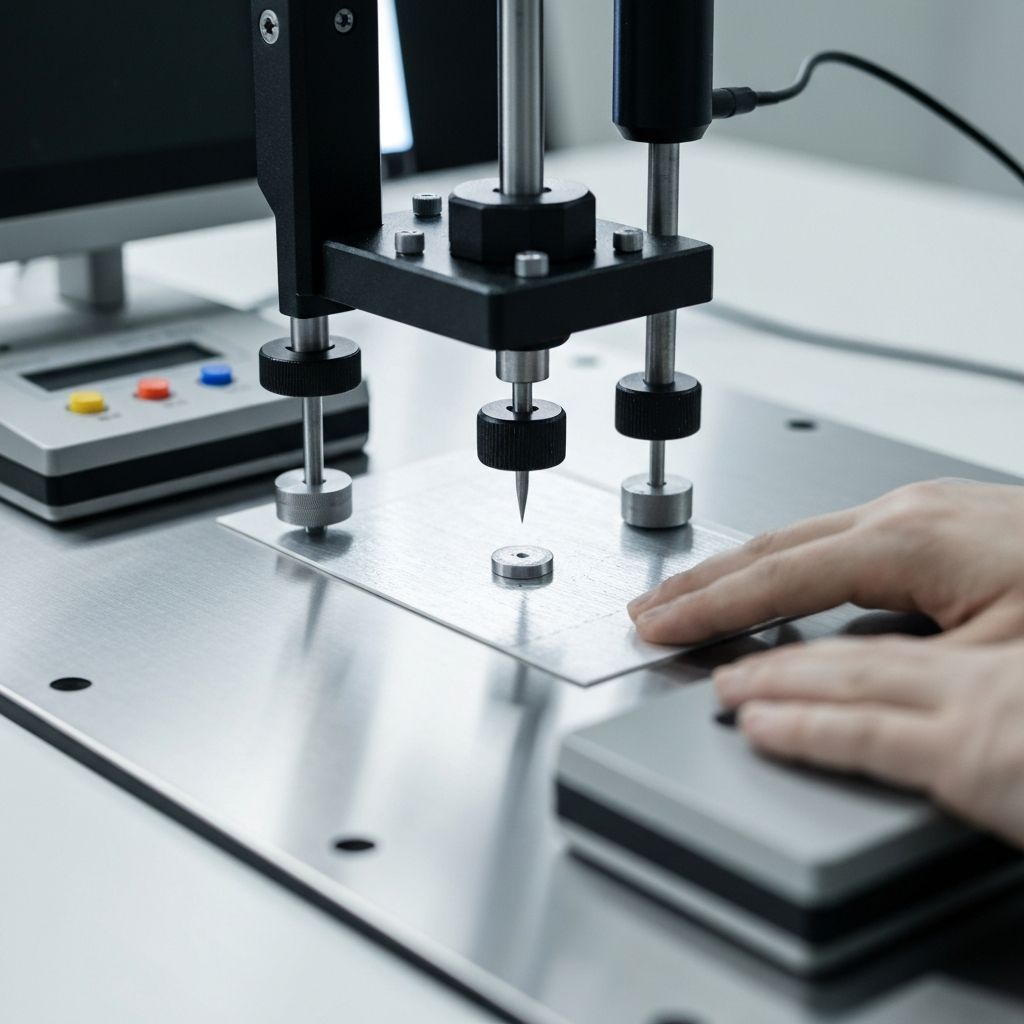
What Is PE Surface Protection Film? A Complete Guide for Industrial Applications
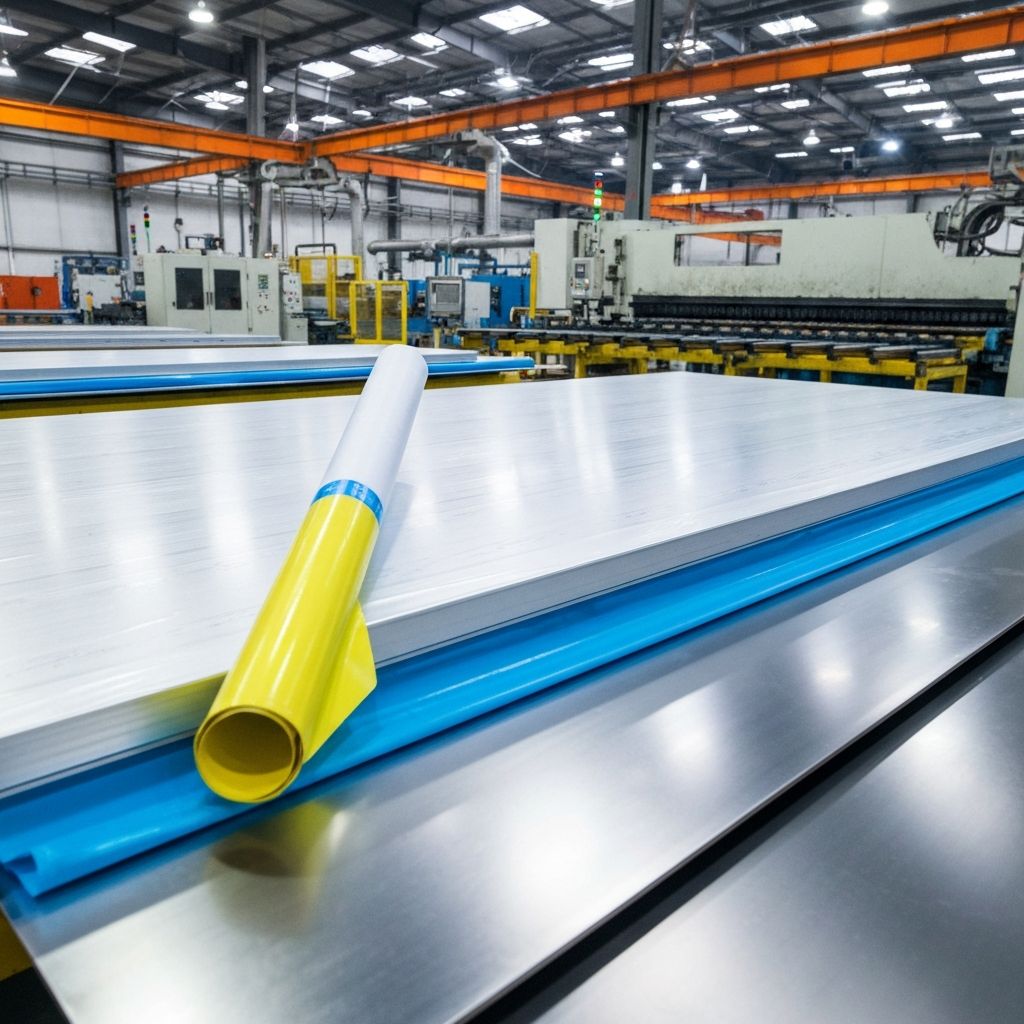
What Actually Is PE Surface Protection Film?
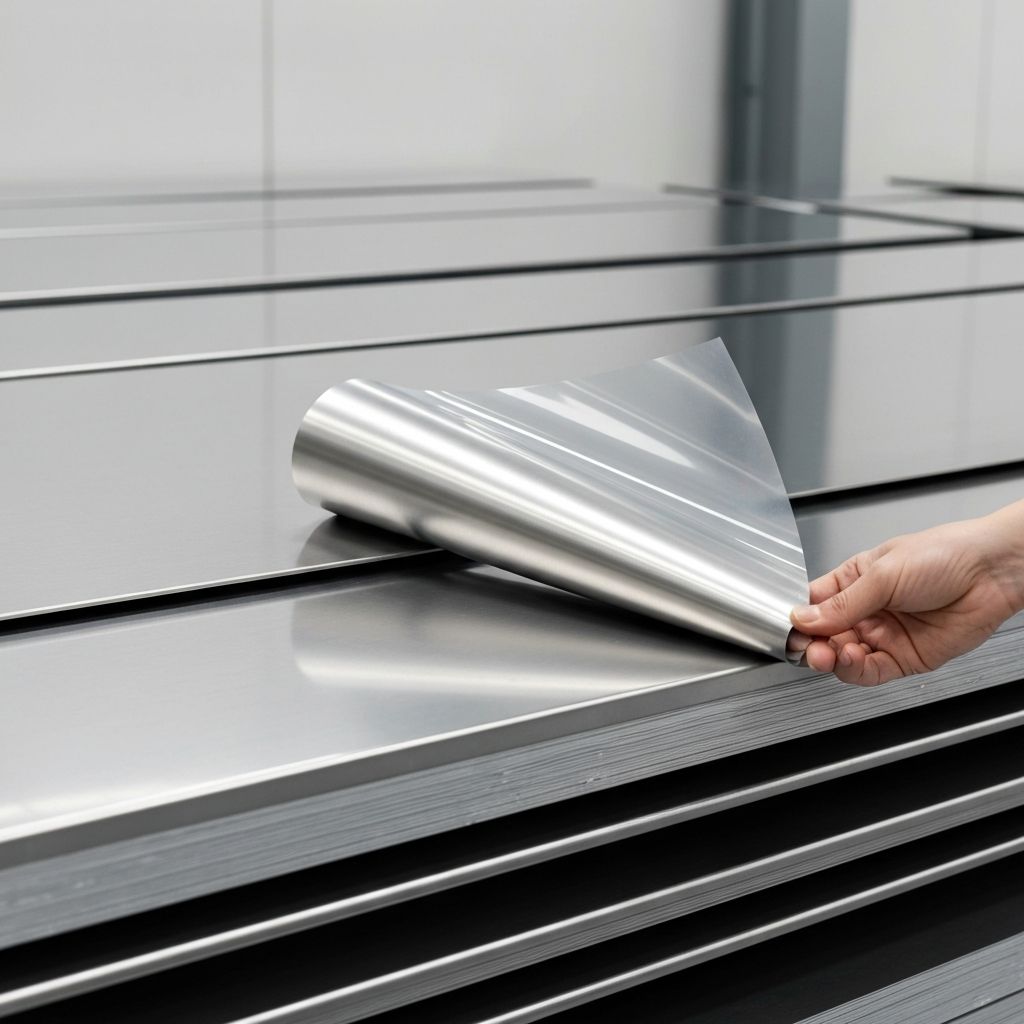
PE surface protection film is a temporary protective layer. That is the simplest definition. It is made from polyethylene—one of the most widely produced polymers in the world—and coated with a pressure-sensitive adhesive on one side. The whole point is to shield a surface from scratches, dust, dirt, moisture, and handling damage during manufacturing, transport, storage, and installation. Then, when the job is done, you peel it off. No residue, no damage.
Think of it as a sacrificial skin. The film takes the abuse so the product underneath does not have to.
Polyethylene comes in three main density grades, each with distinct properties. Low-density polyethylene offers flexibility and conformability at the lowest cost. High-density polyethylene provides stiffer, more puncture-resistant films for heavy-duty applications. Some manufacturers use linear low-density polyethylene to get a balance of flexibility and strength.
The Material Science Behind It: Why Polyethylene?
Why polyethylene, specifically? Several reasons.
Polyethylene is chemically inert. It has a surface energy below 30 dynes per centimeter, which means it is naturally non-reactive with most substrates. This low surface energy is a feature, not a bug. It means the film base itself does not bond permanently to the surface it protects. The adhesion comes from the engineered adhesive layer, not from the film substrate.
Polyethylene also happens to be cost-effective. Global market data shows PE holds approximately 28.4% of the barrier films material share in 2025, prized for its cost-efficiency, moisture resistance, and recyclability.
It is flexible enough to conform to curved or profiled surfaces. It can be made with controlled elongation properties—typically ≥200% elongation at break—so the film stretches and conforms without tearing during application.
And it is available in a huge range of configurations: thickness from 30 to over 220 microns, widths up to 1,600 millimeters, and roll lengths up to 1,500 meters. That range matters because a 30-micron film for a polished metal sheet is a very different product from a 150-micron film for a construction site floor.
Understanding Viscosity Grades—Pick Wrong and You'll Pay for It
The adhesive is where most selection mistakes happen. PE surface protection films are categorized by adhesion strength, and the wrong choice leads to either the film peeling off during handling or leaving a stubborn residue that requires solvent cleaning.
Here is how the industry typically breaks down adhesion grades, measured by peel strength in grams per centimeter:
| Adhesion Grade | Peel Strength (g/cm) | Best For | Risk If Misapplied |
|---|---|---|---|
| Ultra-Low (Static Film) | ≤5 | Glossy plastics, display screens, glass, optical lenses | Won't stick to textured or low-energy surfaces |
| Low | 10–20 | Steel mirror plates, titanium metal, smooth plastic plates, nameplates | Insufficient hold on rough or porous substrates |
| Medium-Low | 30–50 | Melamine boards, stainless steel sheets, tiles, marble | May lift on deeply textured surfaces |
| Medium | 60–80 | Fine frosted plates, moderately textured surfaces | Overkill for smooth, sensitive substrates |
| High | 80–100 | Frosted aluminum panels, plastic-metal composites | Risk of residue on sensitive surfaces after extended application |
| Ultra-High | >100 | Rough aluminum, heavily textured materials | High residue risk; use only where absolutely necessary |
Here is the rule of thumb: the smoother and glossier the surface, the lower the adhesion grade you need. A polished stainless steel sheet that will sit in an air-conditioned warehouse for two weeks before fabrication needs a completely different film than a textured aluminum panel being shipped across the ocean in a container that will bake under the sun for a month.
Product Types That Cover Most Industrial Scenarios
PE surface protection films are not one product. Depending on how the adhesion is achieved and what performance characteristics are required, manufacturers choose from several distinct types:
- Co-extruded self-adhesive films: These are made by extruding multiple layers simultaneously—typically a PE backing layer and an EVA or similar tacky layer. No separate adhesive coating step. The film adheres through the inherent tack of the co-extruded layer, making it a cost-effective option for medium-duty applications.
- Solvent-based acrylic adhesive films: The traditional high-performance option. Acrylic adhesives offer excellent clarity, UV resistance, and aging stability. The solvent-based coating process allows precise control over adhesion levels.
- Water-based acrylic adhesive films: An increasingly popular alternative driven by environmental regulations. Water-based acrylics can be formulated to match the performance of solvent-based systems while eliminating VOC emissions during manufacturing.
- Rubber-based adhesive films: These offer high initial tack—they grab quickly—and work well on low-energy surfaces where acrylic adhesives might struggle. The trade-off is generally lower UV and aging resistance.
Where These Films Actually Get Used
The applications are broader than most people assume. Global PE protective film demand is driven primarily by three sectors: electronics, automotive, and construction.
- Electronics: Delicate surfaces need protection. Touch screens, display panels, circuit boards, optical films, and injection-molded device housings all require films that prevent scratches and dust contamination during production, assembly, and shipping.
- Automotive: Body panels, painted surfaces, interior trim, instrument clusters, glass—all of these get protective film at some point in the supply chain. The automotive industry is witnessing significant growth in PE protective film usage.
- Construction and building materials: Stainless steel sheets, aluminum profiles, PVC window frames, glass panels, pre-painted metal roofing, flooring materials—all of these need protection from job site debris, mortar splatter, foot traffic, and weather during construction.
- Metal processing and fabrication: During cutting, bending, stamping, and welding operations, metal surfaces need protection from tool marks and handling damage.
Things That Go Wrong—Residue, UV, and Shelf Life
PE surface protection film is not a set-and-forget product. Three main failure modes come up repeatedly in the field:
- Adhesive residue: This is the number one complaint. Residue happens when the adhesive cross-links or cures over time, bonding too strongly to the substrate. Several factors accelerate it: high temperature, UV exposure, chemical interaction with the substrate surface, and simply leaving the film on too long. The general recommendation is to remove protective films within 30 days to prevent the adhesive from cross-linking and curing.
- UV degradation: Standard PE film has limited outdoor durability. Under continuous sun exposure, normal PE protective film degrades within roughly 3 months. UV-resistant formulations can extend this to 6 months, 12 months, or even 18 months.
- Shelf life: Under proper storage conditions—dry, cool warehouse environment, away from direct sunlight—PE protective films typically have a shelf life of 12 to 24 months from the date of production. After that, the adhesive properties start to change.
PE vs. PP vs. PET—A Quick Comparison
PE is not the only game in town. PP (polypropylene) and PET (polyester) protective films serve different segments of the market:
| Property | PE (Polyethylene) | PP (Polypropylene) | PET (Polyester) |
|---|---|---|---|
| Flexibility | Excellent—soft, conformable | Moderate | Low—rigid |
| Scratch Resistance | Low—offers minimal abrasion resistance | Moderate | High—very durable and abrasion-resistant |
| Temperature Resistance | Up to ~70°C | Higher than PE—suitable for moderate heat | Up to ~150°C—excellent for high-heat applications |
| Clarity/Transparency | Good | Good—can be very clear | Excellent—optically clear |
| Cost | Lowest | Moderate | Highest |
| Best For | General surface protection, curved profiles, cost-sensitive applications | Applications needing heat resistance or higher clarity | High-temperature environments, optical applications, demanding scratch protection |
A Practical Selection Framework
When you sit down to spec a PE surface protection film, work through these five questions in order:
- What is the substrate material and surface finish? Polished metal, textured plastic, painted surface, glass, composite? The substrate determines the base adhesion requirement.
- How long will the film need to stay on, and under what environmental conditions? Indoor warehouse for one week? Outdoor yard for three months? Container shipping through the tropics? Time and temperature are the biggest drivers of residue risk.
- What is the adhesion level required? Start at the low end and test. It is always easier to go up in adhesion than to deal with residue from a film that was too aggressive.
- What thickness does the application need? Thicker films provide more puncture and tear resistance but are slightly harder to apply on curved surfaces. Typical ranges: 30–50 microns for light-duty, 50–80 microns for standard industrial, 80–150 microns for heavy-duty.
- Are there any special requirements? Anti-static properties for electronics, UV resistance for outdoor exposure, specific colors for visual identification, flame retardancy, or printability.
What the Market Numbers Tell Us
The numbers behind this market are substantial. The global PE protective film market was valued at approximately USD 3.8 billion in 2024 and is projected to grow to USD 5.5 billion by 2032, with a CAGR of 5.2%.
The broader protective films market—including all polymer types—was estimated at USD 15.6 billion in 2024 and is expected to reach approximately USD 23.4 billion by 2031, growing at a CAGR of 4.50%.
Several growth drivers stand out. The electronics industry remains the dominant consumer, with the Asia-Pacific region accounting for over 60% of global electronics manufacturing. The construction sector contributes significantly to market volume, driven by urbanization and infrastructure development. And environmental pressures are pushing innovation in multiple directions—recyclable formulations, bio-based polymers, and water-based adhesive systems that reduce VOC emissions.
Key Takeaways
If there are three things to remember about PE surface protection film, they are these:
- First, adhesion is not one-size-fits-all. Match the peel strength to the substrate—smooth surfaces need low adhesion, rough surfaces need higher. Test before you commit.
- Second, environment dictates adhesive chemistry. Indoor, short-term, climate-controlled? Almost anything works. Outdoor, hot, extended duration? You need UV-stabilized acrylic.
- Third, removal conditions matter as much as application. The best film in the world will leave residue if it is left on too long under the wrong conditions. Plan the removal window, specify it, and make sure everyone in the supply chain knows it.
PE surface protection film seems simple, and in concept it is. But the difference between a film that peels off clean and one that leaves glue behind is usually in the details: the adhesive formulation, the application environment, the dwell time, and the discipline of the manufacturer who built the product. Get those right, and you have a cheap insurance policy for surface quality. Get them wrong, and you are paying someone to scrub glue off a customer's product.