Optimizing Material Packaging: How PE Co-extruded Film Ensures a Clean, Residue-Free Surface
Introduction: PE Co-extruded Film and the Core Mission of Material Protection
PE co-extruded film has quietly reshaped how manufacturers think about material protection. Not through marketing hype, but through a simple, verifiable fact: it peels off clean. No scrubbing, no solvents, no rework.
For anyone handling high-value surfaces—polished stainless steel, coated aluminum, optical-grade acrylic—that clean removal is not a luxury. It is the difference between a perfect shipment and an expensive return. The global PE protective film market was valued at approximately USD 3.8 billion in 2024, growing at a CAGR of 5.2%, with demand increasingly concentrated on residue-free solutions. The industry is moving. The question is whether your packaging strategy is moving with it.
But to understand why co-extruded film works so reliably, you first need to understand why traditional films fail.
The Real Cost of Adhesive Residue in Modern Packaging
Adhesive residue is not just a cosmetic annoyance. It costs real money, and lots of it.
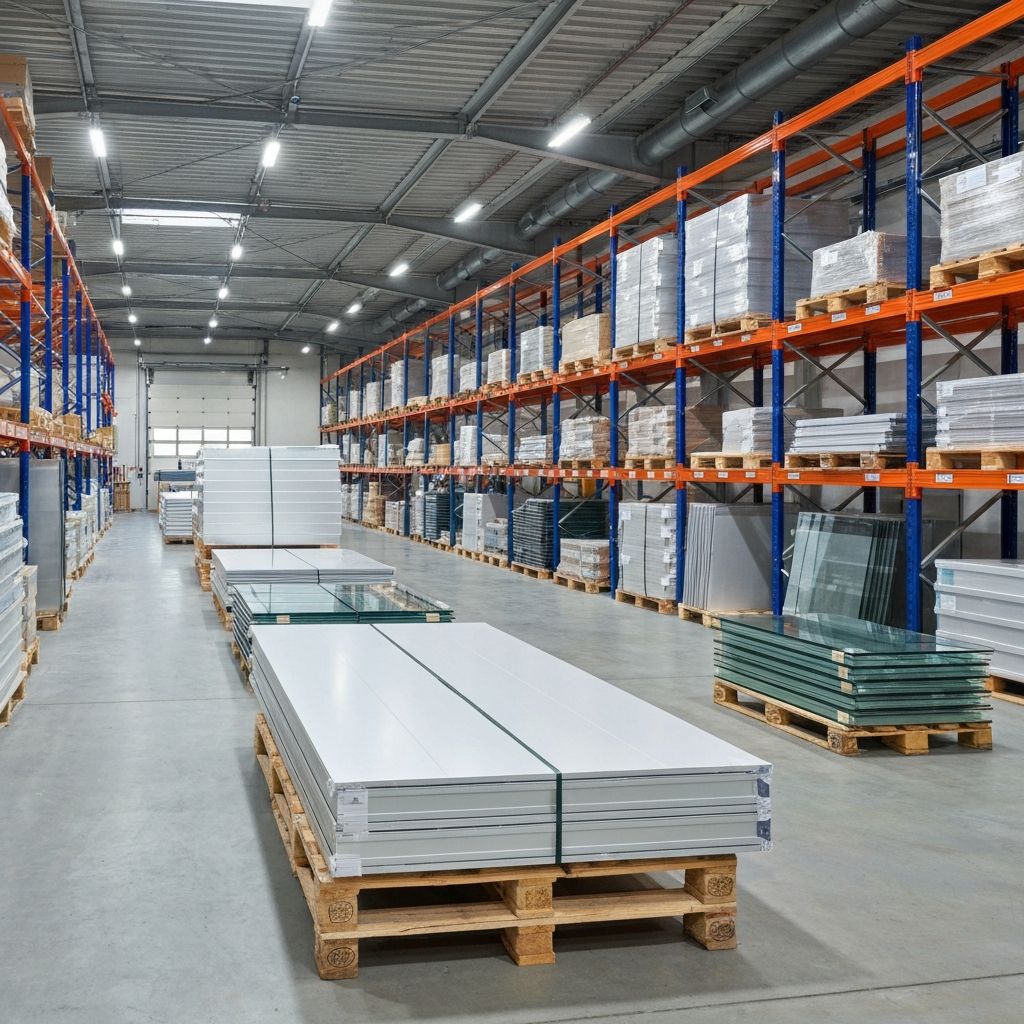
The protective films market was estimated at USD 1.1 billion in 2024, with sheet metal packaging and precoated metal applications representing a significant and growing segment. In these applications, surface quality is everything. A single aluminum cladding panel with ghost-like adhesive marks after film removal can halt an entire construction installation.
The cost is not the film. The cost is the freight, the customs fees, the labor to clean or rework the panels, and the delay in project timelines. Manufacturers who do not take residue seriously end up paying for it multiple times over.
Co-extrusion vs. Coating: Understanding the Manufacturing Difference
This section gets to the heart of what many procurement teams ask: what is the difference between coated film and co-extruded film, and why does it matter?
Traditional coated films are built in two separate steps. First, a polyethylene base film is extruded. Then, in a second operation, a liquid adhesive—usually acrylic or rubber-based—is applied to the surface and run through drying ovens to cure.
It sounds straightforward. But here is where things go wrong. The glue sits on top of the film as a separate chemical layer. Over time, with heat and pressure, the low-molecular-weight components in that glue can migrate into the protected surface. The result is residue, ghosting, and in severe cases, permanent surface etching. This is an industry-wide challenge—adhesive residue remains one of the most persistent technical pain points in the protective film sector.
Co-extruded film takes a fundamentally different approach.
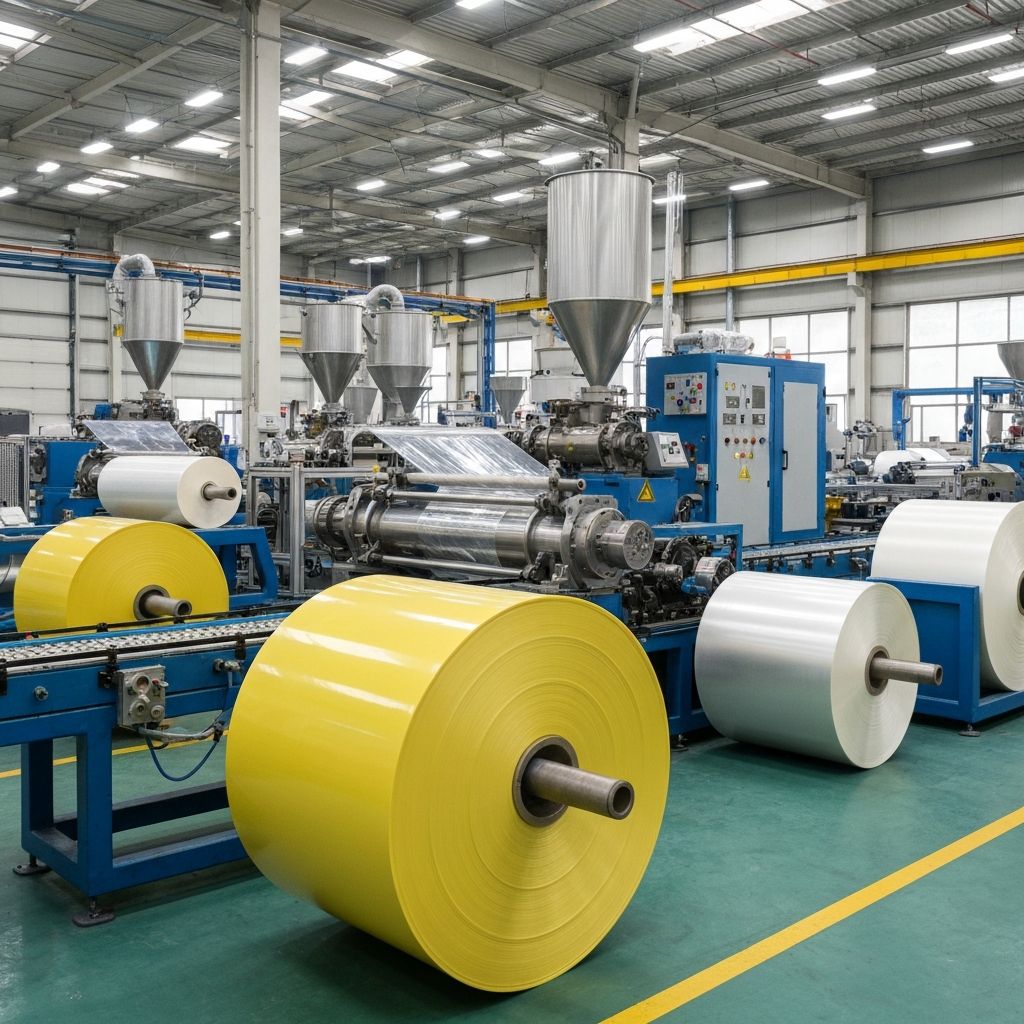
Instead of applying glue, multi-layer co-extrusion technology melts the protective base layer and the functional self-adhesive layer simultaneously, extruding them through a single die. In their molten state, the polymer chains from different layers interpenetrate and entangle at the molecular level. The adhesion is not supplied by a separate chemical. It is an inherent property of the inner layer—typically a specially formulated polyolefin copolymer.
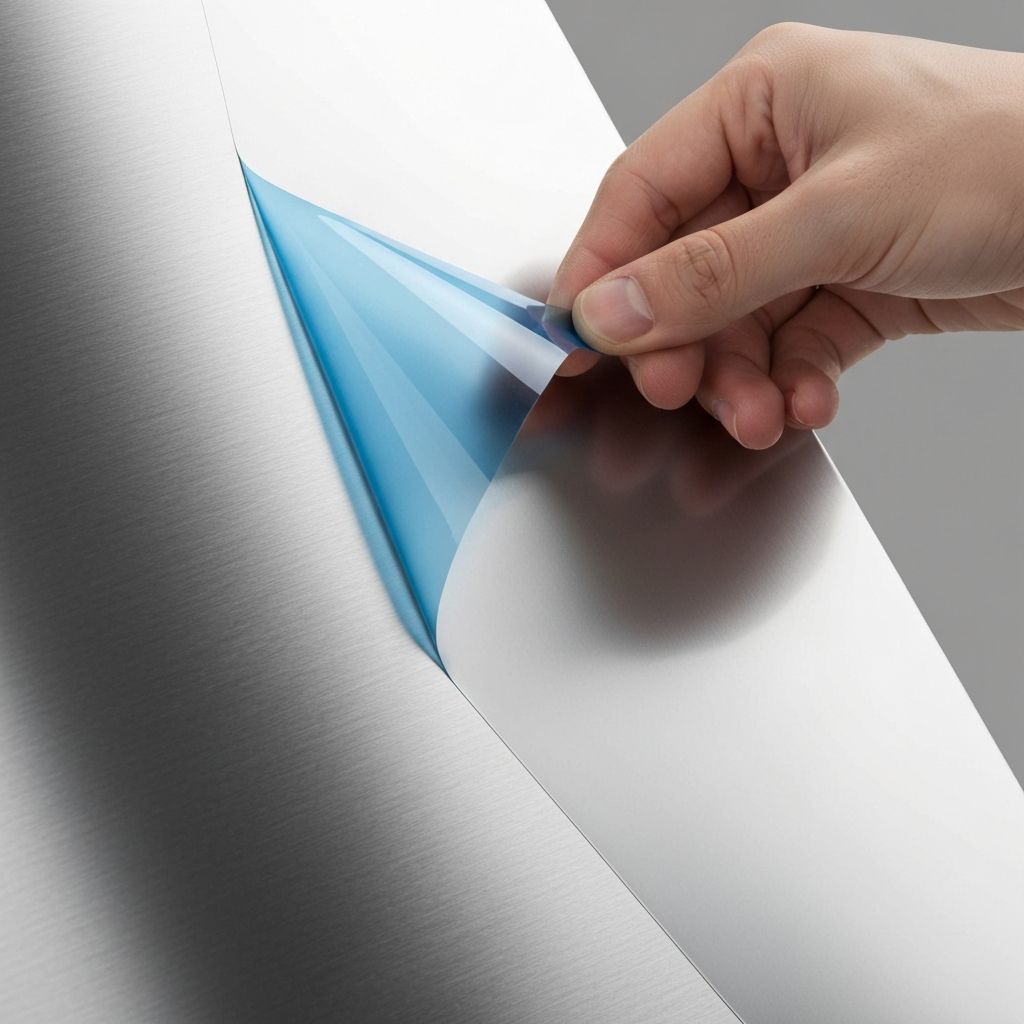
This changes the residue equation entirely. When you peel a co-extruded film, there is no glue layer that can separate and leave debris behind. The tack is part of the polymer. The removal is clean by design, not by luck.
Feature Comparison
| Feature | Coated Film | Co-extruded PE Film |
|---|---|---|
| Manufacturing steps | 2 (film extrusion + glue coating) | 1 (integrated co-extrusion) |
| Solvent use | Yes—requires drying ovens | Zero solvents |
| Adhesive location | Separate chemical layer on surface | Molecularly integrated into inner layer |
| Residue risk over time | High—increases with heat and aging | Near zero |
| Rework rate | Elevated due to cleaning needs | Significantly reduced |
| Recycling profile | Mixed material—contamination risk | Mono-material polyolefin family |
Scratch Resistance: The First Line of Defense for Metal and High-End Surfaces
A protective film's primary job description is simple: prevent scratches. But here is something that does not get talked about enough—a film that leaves residue creates its own scratches during the removal process.
Think about it. Workers peel off a film, find sticky residue, and reach for solvents, scrapers, or abrasive cloths. In the process of cleaning off the residue, they introduce micro-scratches onto the very surface that was supposed to stay pristine. The protective film essentially becomes the source of the damage it was meant to prevent.
Co-extruded PE films break this cycle. Because they remove cleanly without any cleaning step required, the secondary damage path simply does not exist. For high-gloss metal panels, mirror-finished stainless steel, or piano-black automotive interior parts, this is not a minor detail. It can mean the difference between a first-quality product and a reject.
The outer skin layer of a co-extruded film can also be engineered with additional hardness. This means scratches from handling, stacking, and transit are absorbed by the film itself and do not propagate through to the protected surface.
Clarity and Transparency: When Quality Control Depends on What You Can See
Clarity/Transparency in a protective film is not just about aesthetics. It serves a practical quality control function that is easy to overlook until you do not have it.
When protective film is applied to sheet metal, glass panels, or high-end architectural materials, production line workers and QC inspectors still need to visually check the surface underneath. They look for coating defects, color inconsistencies, dents, and contamination—all without peeling the film off. If the film is hazy, yellowed, or visually distorting, this inspection cannot happen. Defects pass through to the customer, and that is when problems start.
Co-extruded PE films offer a distinct advantage here. Because the manufacturing process does not involve liquid glues or solvents, there is no chemical fogging or uneven adhesive distribution to compromise optical clarity. The film remains consistently transparent from edge to edge.
Sustainability Built In: Recyclability and the Mono-Material Advantage
Sustainability in packaging is no longer optional—it is procurement criteria. And co-extruded PE film has a quiet but significant advantage here that not enough people talk about.
Traditional coated films are a recycling headache. The base film is PE, but the glue layer is a chemically different material—typically acrylic or rubber-based. When these mixed-material films enter the recycling stream, the adhesive contaminates the batch. The resulting recycled pellets are low quality, and in many cases, unusable.
Co-extruded films sidestep this problem entirely. All layers—base and self-adhesive—belong to the polyolefin family. There is no glue, no cross-contaminant. The film is a true mono-material product that can enter standard PE recycling streams without degrading the output quality. Research published in Polymers (2024) confirms that mono-material PE films can reduce CO₂ emissions by over 3,692 kg per ton of plastic product after four recycling cycles when compared to traditional mixed-material plastics.
For procurement managers facing ESG reporting requirements or brand owners positioning products in environmentally conscious markets, this is a tangible, verifiable advantage. It is not marketing—it is chemistry.
A Word for Exporters: Why Consistency Across Borders Matters
Having worked with distributors and exporters across enough markets, I know that geographical distance amplifies every weakness in a packaging specification. A film that performs fine in a temperature-controlled factory in one region can behave completely differently after six weeks in a shipping container crossing the equator.
This is where protective film for high-end materials becomes a serious specification topic, not a commodity checkbox. The film sitting on a luxury building facade panel shipped from Asia to the Middle East faces temperature swings of 30 degrees or more. Humidity changes from arid to tropical. Handling at multiple ports. Stacking pressure for weeks.
Co-extruded PE film delivers what exporters need most: predictability. The absence of a separate glue layer means there is simply less that can go wrong during transit. Heat will not cause adhesive migration because there is no adhesive to migrate. Aging will not cause a chemical interface to break down because there is no chemical interface. The adhesion, the removal behavior, the surface quality—all remain consistent regardless of what happens between the factory and the jobsite.
Conclusion: Clean Removal, Every Time
Co-extruded PE film represents a fundamentally different approach to protective packaging. By integrating the adhesive function into the film at the molecular level—rather than applying it as a separate chemical layer—it solves the residue problem at its root cause.
The benefits flow from this single principle: scratch resistance without secondary cleaning damage, optical clarity that supports quality control, genuine recyclability that procurement teams can report on, and the consistency across borders that exporters depend on.
The market is heading in this direction. The manufacturers and exporters who adopt co-extruded solutions now are building packaging strategies for the coming decade. Everyone else will be catching up later—and paying for it.