
October 12, 2026
Polyethylene Protective Film: Specifications, Types and Industrial Uses
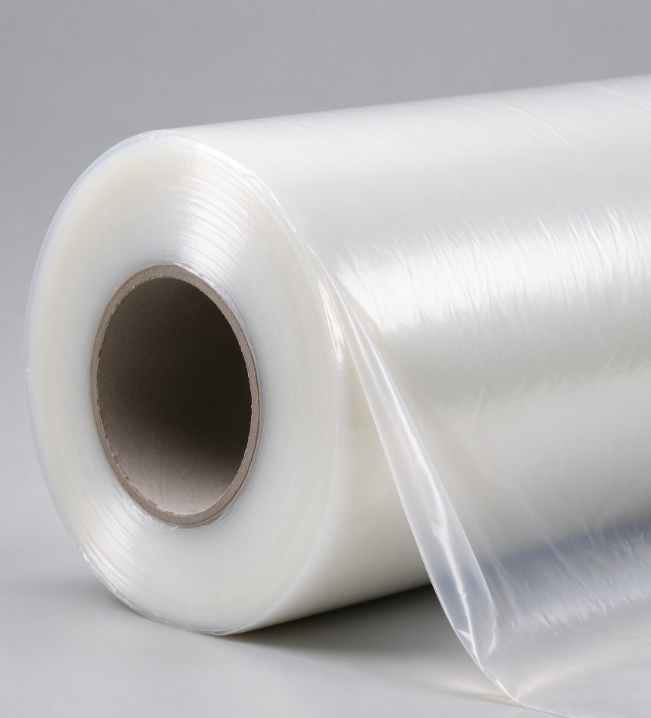
Table of Contents
1. Introduction
2. Core Technical Specifications of Polyethylene Protective Film
3. Polyethylene Protective Film vs PP & PET Protective Film
4. Key Functional Features
5. Common Types of PE Protective Film
6. Main Industrial Applications
7. Industry FAQs
Introduction
Polyethylene protective film is a flexible surface protection material. It uses LDPE as the main substrate. It coats different adhesive layers on one side for surface bonding.
This industrial protective film stops scratches, dust and moisture damage. It works well during production, transportation and storage processes.
Most polyethylene protective film products feature residue-free peeling. They have adjustable tack strength. These basic traits make them widely used in metal, glass, plastic and construction industries.
Core Technical Specifications of Polyethylene Protective Film
Standard polyethylene protective film has fixed physical parameters. These parameters decide its protection effect and application scope.
Thickness and Size Standards
Common film thickness ranges from 30μm to 150μm. 30-50μm fits light surface protection work. 50-80μm is for general industrial use.
80-120μm thick film supports heavy-duty protection scenarios. Max production width of regular products reaches 3200mm for large surface coverage.
Adhesion and Mechanical Indexes
Peel strength has four standard grades. Low tack is 0.2-2N. Medium tack is 2-4N. High tack is 4-10N. Ultra-high tack is 10-20N.
Elongation rate of qualified PE protective film stays between 150% and 500%. It can bend and stretch without breaking during operation.
Standard products pass ASTM D3654 shear resistance test. They keep stable bonding for 24 hours under 2kg load at normal temperature.
Polyethylene Protective Film vs PP & PET Protective Film
Different plastic protective films have big performance gaps. The table below shows real test data for mainstream industrial protective films.
Performance Index | Polyethylene (PE) Film | Polypropylene (PP) Film | PET Film |
Low-Temperature Flexibility | Excellent | Average | Poor |
Max Working Temperature | 80°C | 120°C | 150°C |
Residue-Free Removal | High rate | Medium | High rate |
Surface Conformability | Very good | Good | Limited |
Unit Production Cost | Low | Medium | High |
Polyethylene protective film has the best flexibility at room and low temperature. It fits irregular curved surfaces better.
It cannot work under high temperature like PP and PET film. But its low cost and easy application make it the most cost-effective daily protection option.
Key Functional Features
Residue-Free Peeling Performance
Qualified polyethylene protective film uses matched adhesive formulas. No glue residue left after long-time bonding.
It avoids secondary cleaning work for product surfaces. It improves overall production efficiency.
Moisture and UV Resistance
Standard PE film has IPX4 moisture-proof ability. It blocks water vapor and humid air erosion.
Custom UV-resistant types can block most ultraviolet rays. It prevents surface fading and aging for outdoor products.
Good Mechanical Buffering
Flexible PE material absorbs external impact. It reduces scratch and collision damage during cargo handling.
The film body does not crack easily. It maintains complete protection in long-distance transportation.
Common Types of PE Protective Film
Low-Tack Polyethylene Protective Film
Low-tack film has weak adhesion. It suits smooth surfaces like glass and optical panels.
It peels off super easily. No damage to delicate surface coatings.
Medium & High-Tack Industrial Film
Medium and high-tack products fit metal plates, aluminum profiles and plastic parts.
They stay stable on rough surfaces. No edge lifting during stacking and moving.
Co-Extruded Cleanroom PE Film
Co-extruded polyethylene protective film has ultra-clean performance. It has no impurity particle precipitation.
It is exclusive for electronic and medical clean workshop production.
Main Industrial Applications
Polyethylene protective film covers most light and medium industrial protection scenarios.
Construction industry uses it for aluminum profiles, stainless steel plates and door/window surfaces. It keeps new materials scratch-free before installation.
Electronics industry applies thin PE film on shell panels. It stops dust and fingerprint pollution in assembly process.
Furniture and glass industries rely on residue-free PE film. It ensures clean and flawless finished product surfaces after unpacking.
Outdoor product manufacturing chooses UV-resistant PE film. It delays surface aging during outdoor storage.
Industry FAQs
1. Does polyethylene protective film leave glue residue after long-time pasting?
Standard qualified PE protective film does not leave residue. Unqualified products or ultra-long outdoor placement may cause slight residue issues.
2. What tack strength should I choose for aluminum profile protection?
Medium tack (2-4N) polyethylene protective film is the best choice. It bonds firmly and peels clean without surface damage.
3. What is the maximum service temperature of PE protective film?
Regular products can only work below 80°C. High temperature will cause film softening and adhesive failure.
4. What is the difference between co-extruded and adhesive-coated PE film?
Co-extruded film has cleaner performance and no extra adhesive coating. It fits high-standard cleanroom environments. Coated film has wider tack adjustment range for common industrial use.